


Choosing wedding bouquet flowers sounds simple until you're actually doing it. One minute you're saving inspiration photos, the next you're comparing roses, ranunculus, peonies, and tulips while wondering what will actually work for your season, venue, and color palette.
The good news is that most of the decision becomes easier once you narrow your options. Season, palette, and venue do most of the heavy lifting, helping you choose wedding bouquet flowers that feel cohesive instead of overwhelming.
This guide breaks down the best types of flowers for bridal bouquets and how to choose blooms that fit your wedding style.
Why the Right Starting Point Changes Everything
Most bridal bouquet overwhelm comes from starting with too many options at once. When every flower is on the table, no clear picture forms.
Season, palette, and venue act as three natural filters. Anchor your search to one, and the others follow.
Know your wedding is in spring? Your flower list narrows immediately.
Know your venue is a formal ballroom? Loose, wild arrangements start to fall away on their own.
One constraint turns guessing into editing. That's usually when the bouquet starts feeling like yours instead of something pulled from someone else's wedding.
Choosing Wedding Bouquet Flowers by Season

Seasonal flowers typically look better, last longer, and feel more natural within an arrangement. They can also help keep floral costs more manageable.
Spring Wedding Flowers
Spring bouquets often feature:
These blooms layer beautifully together and suit the softer color palettes often associated with spring weddings.
Summer Wedding Flowers
Warmer weather opens up additional options, including:
These flowers hold up well in summer conditions while still offering plenty of variety in color and style.
Fall and Winter Wedding Flowers
For cooler seasons, consider:
These flowers add richness, texture, and depth that pair naturally with autumn and winter wedding palettes.
Choosing flowers that are naturally in season helps your bouquet feel effortless rather than forced, which is often the difference between a beautiful arrangement and an exceptional one.

Building a Bridal Bouquet Around Your Color Palette
Once you've narrowed your seasonal options, color and aesthetics become the next filter.
The best bridal bouquets aren't just coordinated by color. They're balanced through texture, scale, and flower shape as well.
White and Ivory Wedding Bouquets
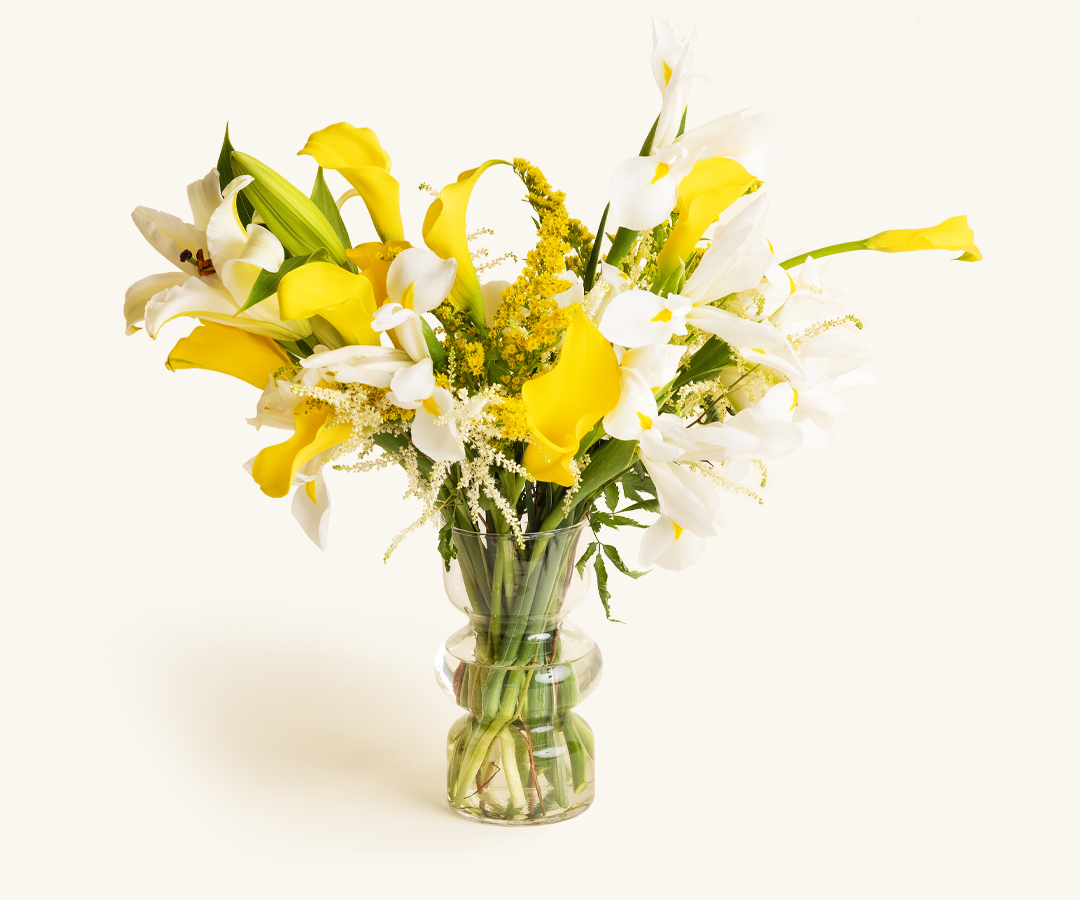
White wedding bouquets often feature roses, calla lilies, lisianthus, and ranunculus. While they share a similar color palette, each flower contributes something different. Ranunculus adds layers and texture, calla lilies bring structure, and lisianthus softens the overall look.
White and ivory bouquets pair especially well with formal venues and outdoor ceremonies with plenty of natural light.
Blush, Cream, and Neutral Wedding Flowers
Soft neutral palettes remain one of the most popular choices for modern weddings.
Ranunculus, spray roses, and tulips create dimension without relying on bold contrast. Mixing warm and cool neutrals helps the bouquet feel layered rather than flat.
Bold and Colorful Bridal Bouquets
For couples seeking greater visual impact, roses, lilies, and alstroemeria can provide richer color while still feeling elegant.
The key is balance. When focal flowers are bold, supporting flowers should stay relatively simple.
Whatever palette you choose, the goal is the same: a bouquet that feels connected to the overall wedding rather than separate from it.
Matching Your Bouquet to the Venue
Venue style influences bouquet design more than most people expect.
A garden wedding naturally lends itself to looser arrangements filled with ranunculus, spray roses, and seasonal blooms. The relaxed structure complements the setting.
A formal ballroom often calls for more structured flowers such as roses and calla lilies, which carry visual weight and photograph beautifully in grand spaces.
Smaller venues benefit from more compact bridal bouquets. Tulips, lisianthus, and spray roses can create a polished look without overwhelming the space or the photos.
Lighting matters too. Natural daylight tends to highlight soft palettes, while indoor evening lighting often works better with warmer tones and stronger color contrast.
Once the venue is locked in, bouquet decisions usually become much easier to make.
A Few Wedding Bouquet Flowers Worth Knowing
Some flowers consistently appear in bridal bouquets because they're versatile across seasons, palettes, and venues.
-
Ranunculus: Full, layered, and adaptable across almost any wedding style.
-
Lisianthus: Soft, ruffled blooms that add movement and texture without overwhelming other flowers.
-
Spray Roses: Smaller rose clusters that fill space naturally and blend easily with focal flowers.
-
Calla Lilies: Clean, sculptural blooms that suit modern and minimalist weddings.
-
Alstroemeria: Long-lasting flowers that provide color and texture while remaining budget-friendly.
These flowers show up repeatedly because they work hard without demanding all the attention.
Sending Flowers Before the Wedding Day

Choosing wedding flowers is only part of the story.
Many couples also send flowers to bridesmaids, parents, planners, or friends before the wedding who helped make the celebration possible. A bouquet arriving before the big day can feel just as meaningful as the flowers carried down the aisle.
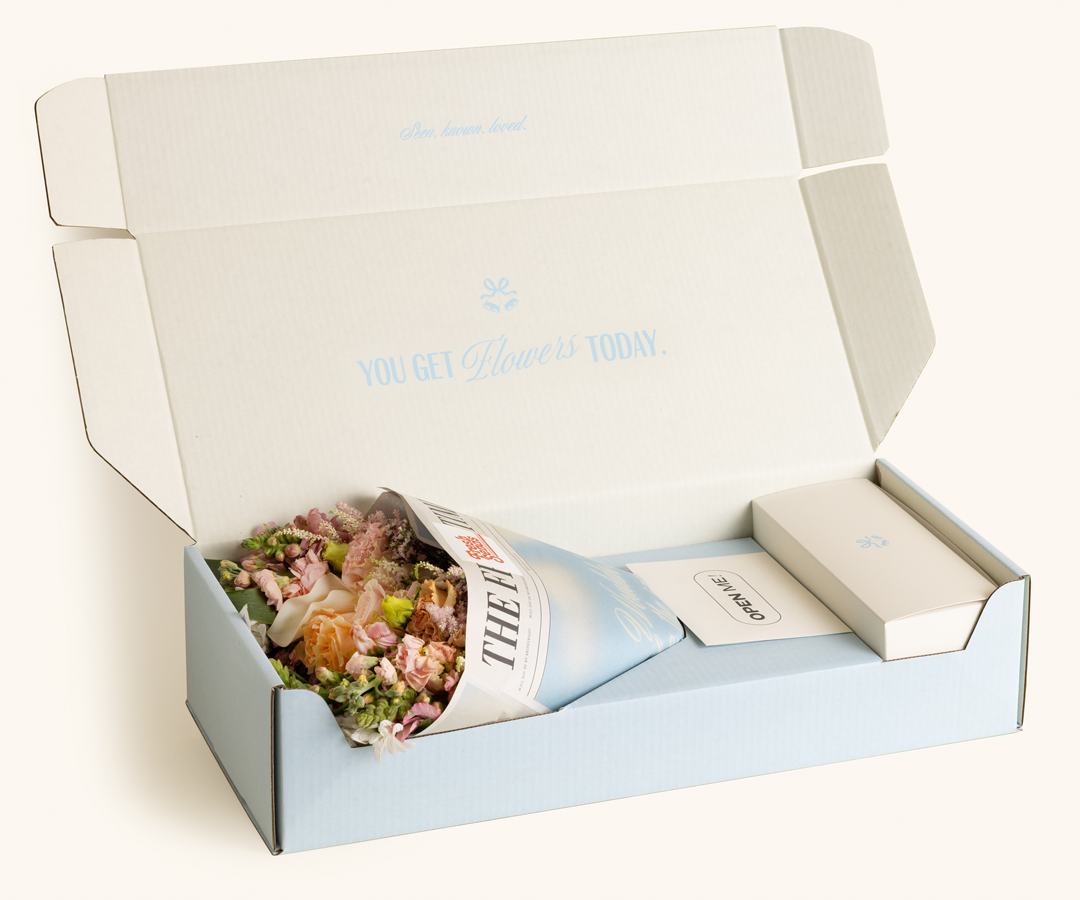
Fresh Sends makes this easy with curated bouquets, handwritten notes, and next-day delivery, all gift-ready.
Whether you're thanking a maid of honor, celebrating an engagement, or sending something thoughtful after the wedding weekend, flowers create a moment people remember.
FAQs
What are the most popular wedding bouquet flowers?
Roses, ranunculus, lisianthus, tulips, and calla lilies are among the most popular flowers for bridal bouquets because they work across a wide range of wedding styles and seasons.
How far in advance should I choose my wedding bouquet flowers?
Most florists recommend finalizing bouquet flowers four to six months before the wedding date, especially for spring and summer weddings.
Can I use flowers that aren't in season?
Yes, but out-of-season flowers are often more expensive and may need to be sourced from other regions.
What flowers work best for small weddings?
Lisianthus, tulips, spray roses, and ranunculus are excellent options for intimate weddings because they create impact without feeling oversized.
Wedding Bouquet Flowers Start With the Right Foundation
The best wedding bouquets aren't built from trends. They're built from thoughtful decisions about season, color, and setting.
Once those pieces are in place, choosing the right flowers becomes much more straightforward. Whether you're drawn to classic roses, romantic ranunculus, or modern calla lilies, the goal is the same: a bouquet that feels right for the day and unmistakably yours.
Send a curated bouquet to your bridesmaids, parents, planner, or anyone who showed up for you along the way. Add a handwritten note, choose your delivery date, and let Fresh Sends handle the rest.


