


Most people buying centerpiece flowers start by asking the wrong question. They think about color, style, or budget. The question that actually saves time and prevents a last-minute store run is simpler: how many flowers do I need for a centerpiece?
Table size is one of the most overlooked factors in centerpiece planning, and it's the one that drives everything else. Too few stems, and the arrangement looks thin. Too many and guests are craning their necks around an overfilled vase. Get the count right and the whole table feels considered without anyone knowing exactly why.
This guide covers stem counts by table size, the best flowers for floral centerpieces, and when it makes sense to skip the math entirely.
Why Stem Count Matters More Than You Think
Centerpiece flowers serve a specific purpose. They fill space, set a mood, and sit at eye level for everyone at the table. A sparse arrangement on a large table reads as an afterthought. An overstuffed vase on a small table feels cluttered. This is especially true in apartments and dorms, where scale matters just as much as flower choice.
Stem count also affects cost and prep time in ways that add up fast. Five extra stems across ten tables means fifty additional stems to trim, arrange, and pay for. Getting the number right from the start makes planning easier and helps create balanced flower centerpiece arrangements.
The good news is that you do not need florist-level experience to get it right. A few simple guidelines go a long way.
The General Rule: Stem Count by Table Size
These numbers give a reliable starting point for most table shapes and standard vase sizes.
-
Small round tables (36–48 inches): 5–8 stems
-
Standard round tables (60 inches): 10–15 stems
-
Long rectangular or banquet tables: 8–12 stems per arrangement, spaced every 3–4 feet
Vase size and arrangement height can shift these numbers. A wide, low vase needs more stems to fill the horizontal space. A tall, narrow vase accommodates fewer stems but requires blooms with a strong vertical presence.
When in doubt, choose the vase first, then estimate stem count based on its size.
Which Flowers Work Best for Centerpieces

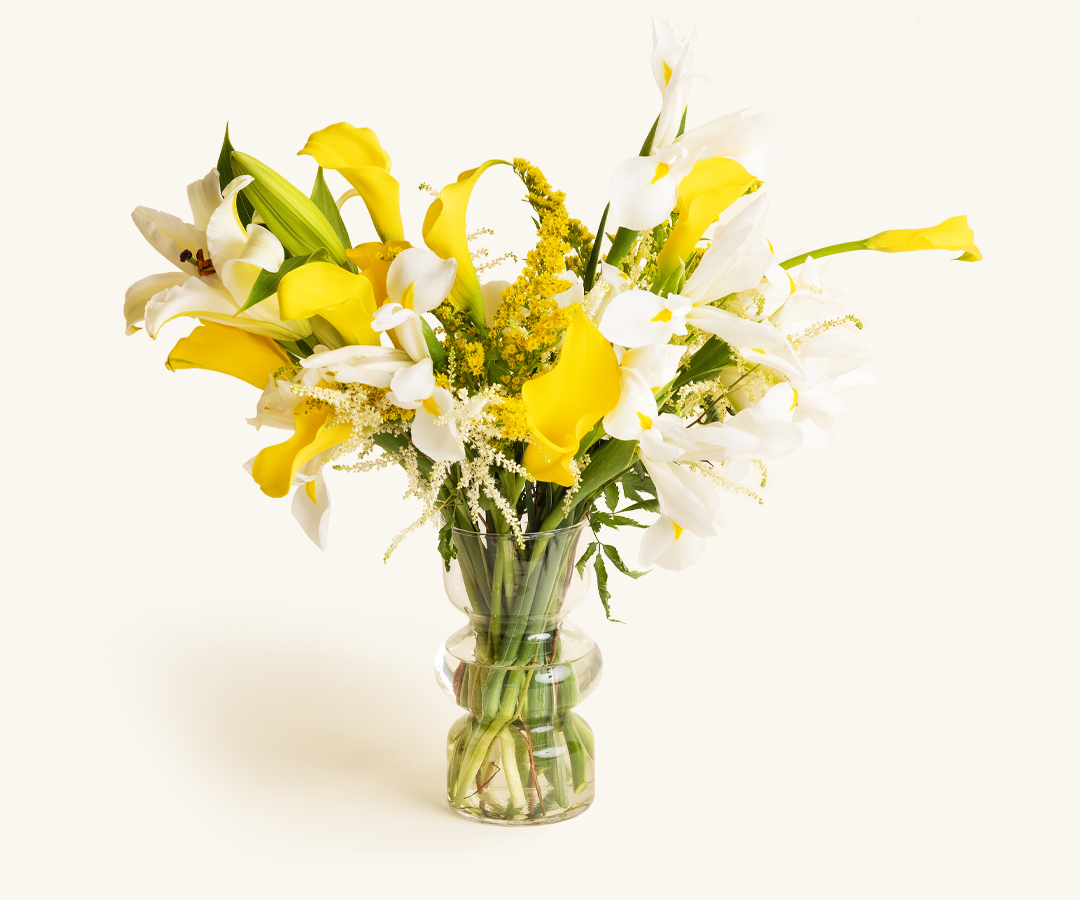
Not every flower performs the same way in an arrangement. The mix you choose matters as much as the count. You can follow the 3-5-8 rule while arranging flowers for a centerpiece.
Focal Flowers That Carry the Arrangement
Fresh roses and ranunculus are reliable focal choices. They're full-headed, photograph beautifully, and create visual impact with fewer stems.
Lilies bring scale and presence that work especially well for larger tables. Lisianthus and tulips offer a softer, more relaxed look that fits everyday gatherings and modern tablescapes.
Filler and Supporting Stems
Spray roses and alstroemeria add volume without making arrangements feel heavy. Daisies contribute texture, movement, and color contrast.
Mixing two or three flower varieties is usually enough. Beyond that, the arrangements can start feeling busy rather than intentional.
The best floral centerpieces aren't necessarily the most complicated. They're the ones that feel balanced and suited to the space they're in.

Low, Medium, or Tall: How Arrangement Height Changes Everything
Height is a practical decision as much as an aesthetic one.
Low arrangements (under 12 inches) keep sightlines open and work beautifully for dinner parties where conversation matters. These arrangements typically need fewer stems but more horizontal coverage. Many dining table flower arrangements also follow this lower-profile approach because it allows flowers to enhance the table without interrupting conversation.
Taller arrangements create drama and work well for larger spaces, weddings, and event tables. They often require additional stems to feel visually complete.
A simple rule: if guests need to move the arrangement to see each other, it's probably too tall. Let that guide the decision before you count a single stem. Choosing the right height often has a bigger impact on the table than adding extra flowers.
A Simple Stem Count Formula to Use
If you want a quick formula:
-
Start with one focal flower for every 4–5 inches of vase diameter
-
Add filler stems at roughly a 1:2 ratio
For example:
-
5 focal stems
-
10 supporting or filler stems
-
Total: approximately 15 stems
If you're creating multiple centerpieces, multiply your stem count by the number of tables and add about 10% extra for flexibility.
That small buffer can prevent last-minute shortages and make arranging much less stressful.
Centerpiece Flower Ideas for Different Occasions
The occasion often influences flower selection just as much as table size.
-
Dinner parties: Tulips, spray roses, and lisianthus
-
Birthday celebrations: Bright roses, ranunculus, and mixed seasonal blooms
-
Wedding centerpieces: Roses, ranunculus, lilies, and elegant greenery
-
Everyday dining tables: Tulips, daisies, and simple single-variety arrangements
Choosing flowers that match the mood helps the arrangement feel cohesive without requiring many stems.
A thoughtful flower selection can often do more than simply increasing the stem count.
When You Just Want the Flowers Handled for You
DIY centerpiece planning is completely doable, and the formula above makes it manageable. But it still takes time, preparation, and a few decisions you may make the night before an event.
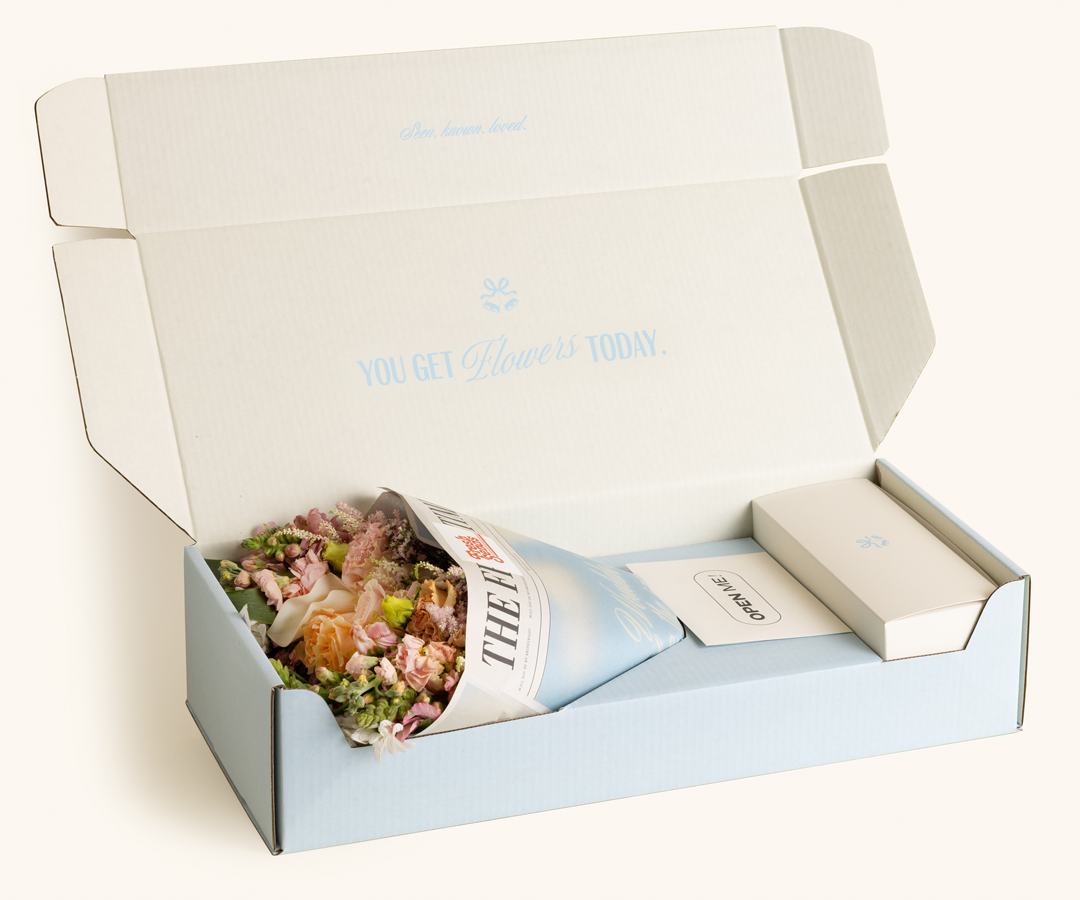
When that feels like too much, Fresh Sends offers curated bouquets designed to make flower gifting and decorating easier. Flowers arrive fresh, gift-ready, and thoughtfully arranged, with next-day delivery available when timing matters.
Add a handwritten note, place them in your favorite vase, and let the flowers do the work. Sometimes the easiest centerpiece is the one that’s already beautifully curated for you.

FAQs
How many stems do I need for a small table centerpiece?
For a small round table between 36 and 48 inches, 5–8 stems is usually enough for a balanced arrangement.
Can I mix flower types in one centerpiece?
Yes. One focal flower, like a rose or ranunculus; one supporting stem, like spray roses; and one texture option, like statice or daisies, is a reliable combination.
Does vase size affect stem count?
Absolutely. Wider vases require more stems to avoid looking sparse. A taller, narrower vase needs fewer, longer stems to fill its height naturally.
Getting the Count Right Is Easier Than It Looks
Stem count doesn't need to be stressful. Match your flowers to your table size, use the formula as a starting point, and let the arrangement do the work. A few clear numbers go further than any guessing game.
If you'd rather skip the planning entirely, browse Fresh Sends bouquets and take the guesswork out of your next occasion.


